
The Khori Impulse – How Women’s Self-Empowerment Can Transform Communities
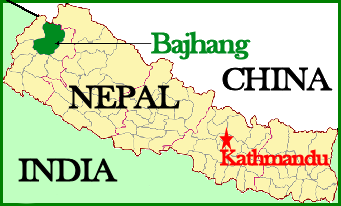
Bajhang District in far-western Nepal.
A remarkable transformation has taken place in Khori, a remote Himalayan mountain village in Bajhang District, far-western Nepal. Without any outside organization initiating or directing the process, the women overcame deeply entrenched patriarchal structures, transformed poverty into prosperity, and created a thriving community founded on the matriarchal values of cooperation, care, shared responsibility, and mutual respect.
Only a little more than a decade ago, Khori was a very different place. As Kitti Devi Bohara, one of the village women, recalled in a 2021 article in The Kathmandu Post:
“You could hear women and children wailing in almost every house in the village as the drunk men returned home in the evenings.”
The transformation began when Belu Devi Bohara decided that things had to change. She brought the women together, and they began taking their future into their own hands. They persuaded the village’s alcohol producers and sellers to abandon their trade, challenged harmful traditions, and initiated improvements that transformed village life.
Today, the women control both household and village finances and play a leading role in community decisions. Women who were once humiliated and beaten, sometimes even in public, are now respected and supported by the men. Women’s leadership and cooperation between women and men have become the foundation of village life.
And the changes have endured. Neither the women nor the men want to return to the way things were before.
But could this extraordinary transformation inspire similar changes in other communities?
This is the Khori Impulse: the power of women’s self-empowerment spreading through storytelling.
Watch the Documentary
How the Transformation Began
The transformation began when Belu Devi Bohara decided that she would no longer accept the conditions under which the women of Khori had lived for generations.
But Belu knew that she could not change things alone. As she says, “You cannot clap with only one hand.” She began bringing the women of the village together, encouraging them to recognize their collective strength and take action. Their first priority was to put an end to the alcohol abuse that lay behind so much of the suffering in their families.
Led by Belu, the women approached all six producers and sellers of alcohol in Khori. Rather than simply demanding that they stop, they persuaded them to give up the alcohol trade and sell other products instead. With the support of sympathetic men in the village, they succeeded. The women also introduced fines for drunkenness, using the money collected to finance improvements benefiting the entire community.
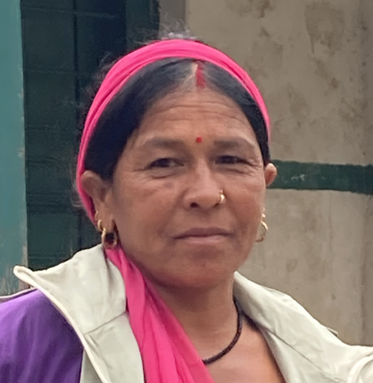
Belu Devi Bohara, who initiated the transformation of Khori and
inspired the women of the village to take their future into their own hands.
Initially, some of the men resisted or ridiculed the women’s efforts. But the women stood firm. As the results became visible, attitudes began to change. Domestic violence declined dramatically, and the men gradually came to respect and support the women’s leadership.
The women also challenged Chhaupadi, the deeply rooted practice of banishing menstruating women and girls from their homes into cold and unsafe sheds. They had traditionally been told that allowing menstruating women to remain inside the house would anger the gods and bring misfortune upon the family. But some women decided to put this belief to the test: they stayed inside their homes during menstruation—and nothing happened. Despite resistance from some of the older women, the village eventually abandoned the practice.
With the women taking responsibility for community finances and development decisions, Khori began to change in other ways as well. They laid water pipes to bring drinking water to households and built toilets for families that had none. At an altitude of approximately 2,650 meters, they introduced greenhouses that made it possible to grow vegetables, improving nutrition and providing additional income through the sale of surplus produce. Today, the village has 18 greenhouses.
What had begun as resistance to alcohol abuse and domestic violence had grown into a comprehensive transformation of village life.
The significance of Khori is not simply that the women improved their living conditions. They discovered their collective power to decide how they wanted to live—and then made those decisions a reality.
Outside assistance came later, when the women themselves identified what they needed. The greenhouses, for example, did not empower the women. The women first empowered themselves and then gained the support of the municipality to realize their plans.

The women of Khori with HEAR Nepal representatives in the back row.
The Khori Impulse Spreads Through Storytelling
Although women in neighboring villages had heard about Khori’s remarkable transformation, they had not followed its example. Knowing that such a change was possible had apparently not been enough to inspire them to take action themselves.
For thousands of years, people have passed on knowledge, wisdom, and experience through stories. Could this ancient method help spread the transformation that had begun in Khori?
In 2024, HEAR Nepal Deutschland e.V., working with its Nepalese partner organization HEAR Nepal, initiated an experimental project to explore this possibility. Rather than introducing an externally designed development program, we invited four representatives from Khori—two women and two men—to visit neighboring villages and tell their story.
They did not come as experts telling others what to do. They came as ordinary villagers describing what they themselves had accomplished: how the women had organized, how they had overcome resistance, how the men had gradually become supportive, and how the entire community had benefited.
The underlying idea was simple: people who have transformed their own lives may be the most convincing messengers of change.
During the first phase of the project, representatives from Khori visited ten neighboring villages. The results were remarkable. Women’s groups were formed in all ten villages, giving women a collective voice and the means to begin changing their communities. In six villages, women succeeded in ending the production and sale of alcohol, accompanied by a substantial reduction in domestic violence. In most villages, the harmful tradition of Chhaupadi was abandoned, while many women established savings groups and began new income-generating activities.
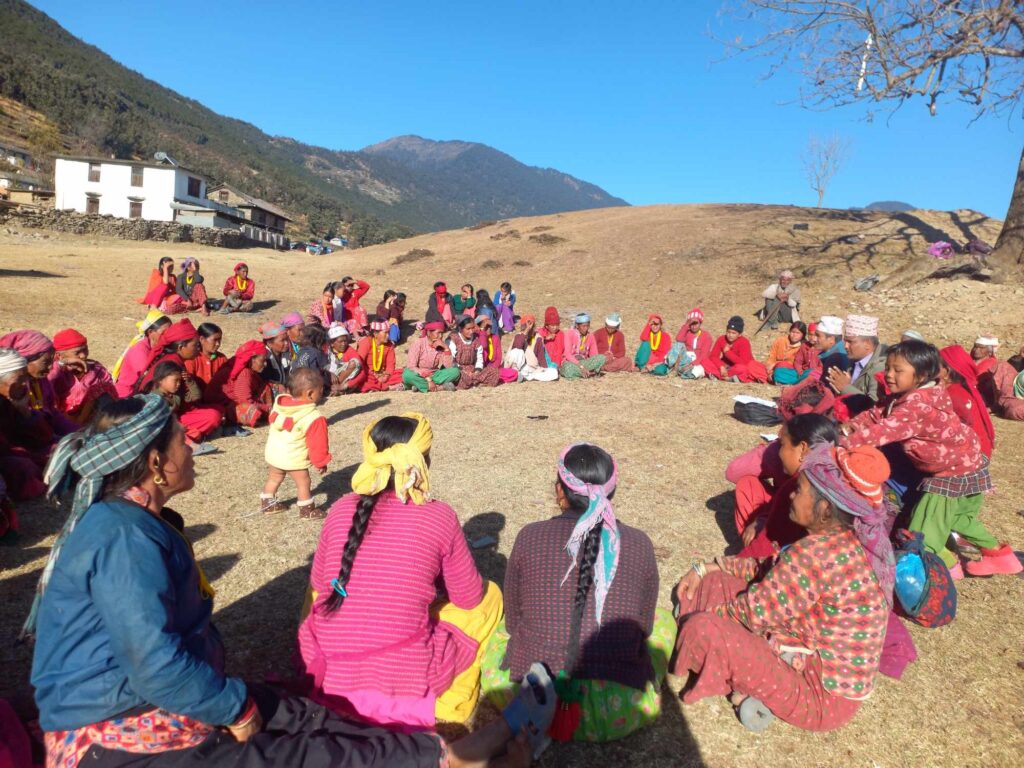
Women in a neighboring village listening to Khori representatives
share the story of their community’s transformation.
But perhaps the most significant result was less tangible: women who had previously accepted their circumstances as unchangeable began discovering their collective strength and taking action. The transformation of Khori had not simply inspired admiration. It had inspired women in other villages to begin transforming their own lives.
The aim was never to create copies of Khori. Each village would have to decide for itself which changes it wanted to make and how to bring them about.
What began as a remarkable local achievement was becoming something larger: the Khori Impulse—a movement of self-empowerment spreading from village to village.
From Fifty Villages to a Worldwide Movement
Encouraged by the results of the first phase, HEAR Nepal Deutschland e.V. and its Nepalese partner HEAR Nepal are preparing a second project to bring the Khori Impulse to 50 additional villages in Bajhang, western Nepal.
The project is planned for 2027–2028 and will begin once sufficient funding has been secured. Representatives from Khori will again visit neighboring villages, sharing their experiences and encouraging women and men to discover what they themselves might change in their communities.
But our vision goes much further than these 50 villages.
We hope that the transformation of these communities will generate a momentum of its own, with women from one village inspiring women in neighboring villages, who in turn inspire others. Through personal encounters and storytelling, the Khori Impulse could spread far beyond the reach of any organized project, igniting a wildfire of women’s self-empowerment.
The documentary and connections with organizations working for women’s empowerment around the world could help carry this impulse across national and cultural boundaries. Ultimately, we envision a self-sustaining movement in which women everywhere inspire one another to take their future into their own hands.
Khori was not an exceptional village. That is precisely why its story matters. If women in a remote Himalayan mountain village could overcome deeply entrenched patriarchal structures, transform poverty into prosperity, and create a thriving community founded on cooperation, shared responsibility, and mutual respect, what might be possible elsewhere?
If you would like to help the Khori Impulse reach more villages, you can support the project through a donation or contact us to explore other ways of contributing.